
 EN
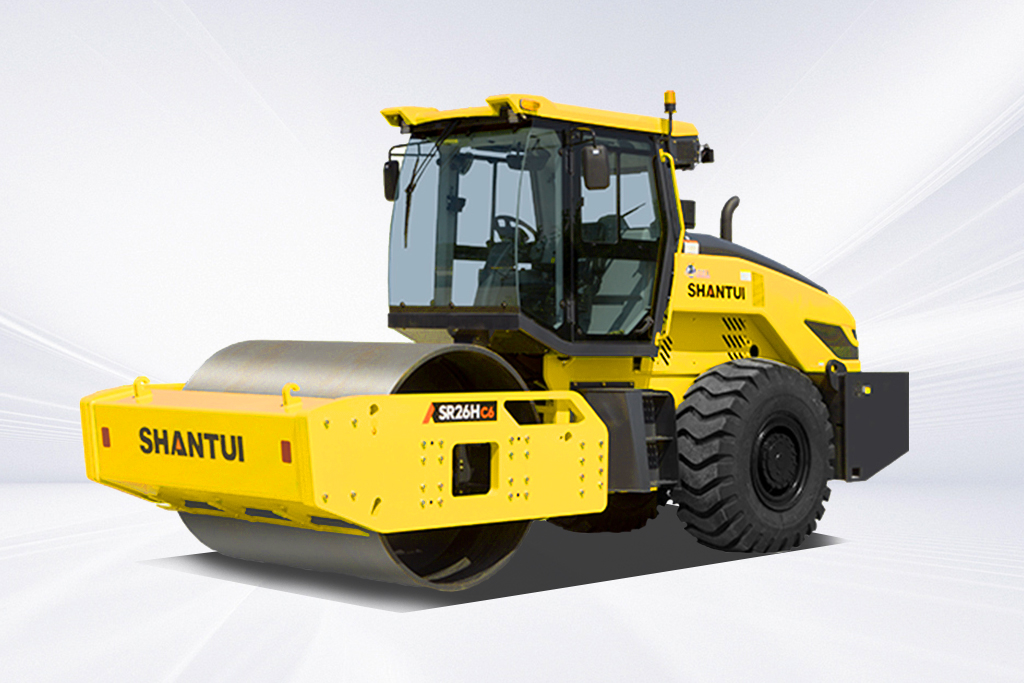
Soil stability forms the foundation of every successful infrastructure project, whether you're building highways, parking lots, or industrial facilities. A road roller represents one of the most effective tools for achieving this stability through systematic compaction. When soil particles are properly compressed and consolidated, they bond together more firmly, reducing settling, shifting, and structural failure over time. Understanding how a road roller works and why it remains essential to modern construction helps contractors make informed decisions about their compaction strategies and equipment investments.
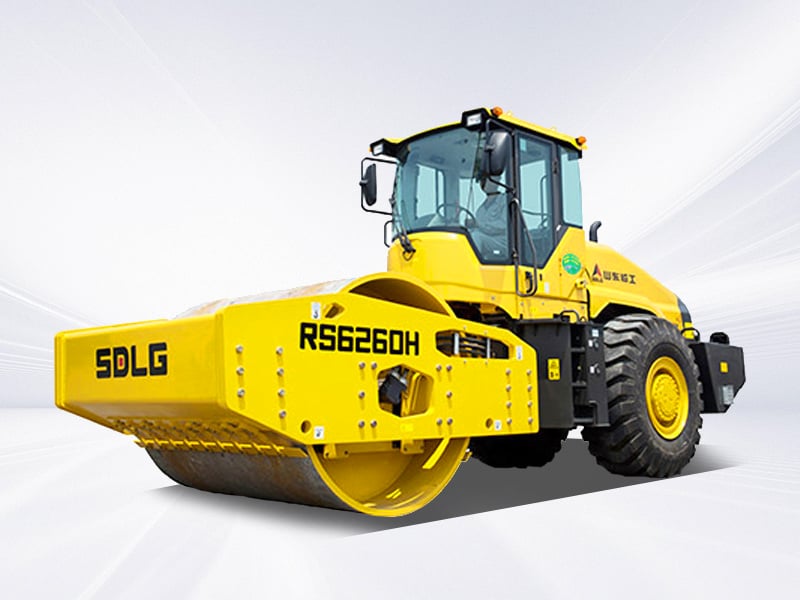
A road roller operates on straightforward yet powerful principles that have been refined over decades of heavy equipment evolution. By combining static weight, vibration, and rolling motion, a road roller systematically reduces air voids within soil layers while increasing density and load-bearing capacity. The engineering behind soil compaction ensures that projects maintain structural integrity throughout their service life, preventing costly repairs and safety hazards. This article explores how road roller technology delivers measurable improvements in soil stability and why selecting the right road roller directly impacts project success.
How Compaction Equipment Like a Road Roller Works
Mechanical Compaction Through Static and Vibratory Force
A road roller achieves soil compaction through two primary mechanisms: static pressure and vibratory frequency. The static component comes from the machine's substantial weight, which applies downward force across the compaction surface. When a road roller passes over soil, its heavy drum presses soil particles closer together, reducing the space between them. Vibratory road roller models amplify this effect by adding oscillating motion to the compaction cycle. This vibration causes soil particles to rearrange and settle into denser configurations more efficiently than static pressure alone could achieve.
The vibratory frequency of a road roller is precisely calibrated to match soil conditions and material type. Different soil compositions respond optimally to different vibration frequencies, and modern road roller designs allow operators to adjust these parameters. When vibration combines with the downward force from the road roller's weight, the result is rapid particle reorientation and consolidation. This dual-action approach explains why a road roller can complete compaction tasks in fewer passes compared to static-only equipment, reducing project timelines and fuel consumption.
Particle Density and Air Void Reduction
At the microscopic level, soil consists of particles surrounded by air and water voids. A road roller systematically eliminates air voids by forcing particles into tighter arrangements. As air escapes and particles settle, the soil density increases, meaning more material occupies less space. This density increase is measurable and critical for project specifications. Engineers test compaction results using field density tests to confirm that compacted soil meets required density percentages, typically expressed as a percentage of maximum dry density.
The efficiency of void reduction depends on the road roller's design, operator technique, and underlying soil composition. Sandy soils often respond quickly to vibration, while clay-rich materials may require more passes or adjusted vibratory frequencies. A well-maintained road roller ensures consistent compaction quality across the entire work area, preventing weak zones that could later cause differential settling or pavement failure. The relationship between compaction effort and soil type is why contractors select specific road roller models for particular projects.
Why Soil Stability Matters in Construction
Foundation Strength and Long-Term Performance
Properly compacted soil directly determines the longevity and safety of constructed assets. When a road roller establishes stable soil conditions, it prevents differential settlement—the uneven subsidence that cracks pavements, warps building structures, and creates safety hazards. Projects built on inadequately compacted soil experience accelerated failure, generating expensive repairs and potential liability issues. Infrastructure owners invest in quality compaction work upfront because the cost of using a road roller during construction is minimal compared to maintenance and reconstruction expenses later.
The relationship between compaction quality and pavement life is well-established in transportation engineering. Road projects that receive thorough compaction with professional-grade road roller equipment exhibit significantly longer service lives before requiring overlay or reconstruction. This extended lifespan reduces overall project life-cycle costs and improves stakeholder satisfaction. Moreover, stable soil conditions enhance the performance of base layers and subgrades, allowing pavements to distribute vehicle loads more effectively without accelerated deterioration.
Cost-Benefit Analysis of Compaction Investment
While renting or purchasing a road roller represents a capital investment, the economic returns justify the expense on most projects. Properly compacted soil reduces the requirement for thicker pavement sections, because stable soil layers distribute loads more uniformly. This thickness reduction directly lowers material and paving costs. Additionally, a road roller minimizes future maintenance cycles, extending the interval between major repairs. When contractors calculate total project cost including long-term maintenance, the investment in quality compaction equipment produces clear financial advantages.
Beyond direct cost savings, compaction quality affects schedule efficiency. A road roller capable of high-speed operation and multiple frequencies completes compaction work faster than slower alternatives, reducing overall project duration. Time savings translate to lower labor costs and earlier project revenue generation. Furthermore, well-compacted foundations reduce the risk of design modifications or remedial work during construction, protecting the project schedule and budget from unexpected delays.
Selecting and Operating a Road Roller for Optimal Results
Matching Road Roller Specifications to Soil Conditions
Different projects and soil types demand different road roller configurations. Lighter duty road roller models suit granular materials and maintenance compaction work, while heavier machines tackle challenging clay soils and initial compaction passes. The selection process considers soil composition, moisture content, required density levels, and working area dimensions. Engineers specify minimum road roller weight and compaction parameters to ensure that specified soil conditions are achieved. Selecting an undersized road roller for difficult soil conditions results in inadequate compaction and project failure, making proper specification critical.
Modern road roller equipment offers variable vibratory frequencies, adjustable compaction patterns, and precise operator controls that enhance job-site flexibility. A road roller with these advanced features adapts to changing soil conditions within a single project, eliminating the need for multiple machines. Some road roller models include indicators that help operators verify compaction completeness and identify areas requiring additional passes. These capabilities make contemporary road roller technology more efficient and reliable than older static-only designs.
Best Practices for Maximum Compaction Effectiveness
Successful compaction using a road roller depends on consistent technique and environmental awareness. Operators should maintain steady, slightly overlapping passes to prevent missed zones and ensure uniform density across the entire area. Moisture content significantly affects compaction efficiency; soil that is too dry or too wet resists consolidation. A road roller performs optimally when soil moisture is near the optimum level, a condition engineers determine through laboratory testing. Depending on weather and material conditions, water addition or air-drying may be necessary before operating the road roller.
Temperature and seasonal conditions influence road roller performance as well. Cold weather affects soil behavior and may reduce compaction efficiency, while excessively hot conditions can accelerate moisture evaporation. Skilled operators adjust their compaction strategy based on prevailing conditions, potentially reducing road roller speed or increasing pass frequency. Documentation of compaction activities provides evidence that specifications were met and creates a record for quality assurance. Regular maintenance of the road roller ensures consistent performance and prevents mechanical issues that could compromise compaction quality mid-project.
FAQ
How many passes does a road roller typically require to achieve adequate compaction?
The number of passes required varies based on soil type, moisture conditions, and the road roller's specifications. Sandy and granular soils typically reach target density in three to five passes, while clay-rich materials may require eight to twelve passes or more. Modern road roller equipment with variable vibratory frequency often achieves required density in fewer passes than older static-only machines. Project specifications typically define acceptable pass numbers through field density testing, allowing operators to verify when compaction is complete rather than applying an arbitrary fixed number.
Can a road roller be used on all soil types?
A road roller is highly versatile but not equally effective on every soil type without equipment adjustments. Granular soils, cohesive soils, and mixed materials all respond to compaction, but the optimal road roller configuration and technique varies by material. Some challenging soils benefit from intermediate processing, such as scarification or moisture adjustment, before a road roller achieves maximum effectiveness. Engineers select road roller types and specifications based on soil composition testing to ensure the equipment matches project conditions. In rare cases where native soil properties prevent adequate compaction, replacement or stabilization may become necessary.
What role does vibration frequency play in a road roller's compaction performance?
Vibration frequency is fundamental to a road roller's efficiency and the quality of soil consolidation achieved. Each soil type responds optimally to a specific frequency range; selecting the correct frequency dramatically reduces the pass count and fuel consumption required to meet density targets. Lower frequencies typically work better for cohesive soils, while higher frequencies favor granular materials. A road roller with adjustable frequency capability offers flexibility to adapt to varying conditions within a single project, improving efficiency and reducing operational costs compared to fixed-frequency equipment.